Home Inspection can be easier to approach when you start with a few practical basics.
- Bowing or Leaning Walls: This is a serious red flag. It suggests the foundation is being pushed inward, potentially due to soil pressure or drainage issues.
- Uneven Floors: Use a simple level or smartphone app to check for dips or high spots. Document discrepancies - measure the distance between multiple points in a room. Even small variations can accumulate over time.
- Sticking Doors and Windows: Consistent sticking, especially in the same areas, can be a symptom of foundation movement or settling. It's a subtle sign, but worth noting. Beyond the foundation itself, the framing - the wooden structure that supports the house - is critical. Look for signs of rot, insect damage, or water intrusion around windows and doors. Soil Analysis: A soil report is often part of a comprehensive inspection. It reveals the type of soil beneath your property and its drainage characteristics. Poor drainage can contribute to foundation problems. Ask your inspector about the report - it’s a key piece of information. Foundation Types: Homes come in different foundation configurations: slab, crawlspace, and basement. Each has its own set of potential issues. Slab foundations are generally the most stable but are susceptible to cracking if the soil shifts. Crawlspaces can be prone to moisture problems, while basements require proper waterproofing. Understanding these differences helps you anticipate potential challenges. Cost Estimate: Foundation repair can range dramatically, from a few thousand dollars for minor crack repairs to $50,000 or more for major structural work.
Roofing - More Than Just a Pretty Surface (Home Inspection)
- Missing or Damaged Shingles: Look for shingles that are curled, cracked, or missing entirely.
- Granule Loss: Shingle granules washing into your gutters are a sign that the shingles are aging and losing their protective coating.
- Sagging Roof Deck: This indicates that the underlying structure is failing.
- Leaks in the Attic: Check for water stains or dampness in the attic - a telltale sign of a leaky roof. Roof Age & Lifespan: Asphalt shingles typically last 15-25 years, while metal roofs can last 50-70 years. Tile roofs can last 50-100 years with proper maintenance. Knowing the age of your roof helps you assess its remaining lifespan. Material Comparison: Asphalt shingles are the most common and affordable option. Metal roofs are more expensive but offer superior durability. Tile roofs are beautiful but heavier and require a stronger structure. Cost Estimate: Roof replacement can range from $15,000 to $30,000, depending on the size and complexity of the job.
Electrical System - Safety First
Outdated or faulty electrical systems pose a serious fire hazard and can impact your home’s value. Don't skimp on this inspection. Red Flags Checklist:
- Aluminum Wiring: This was a widespread problem in the 1960s and 70s. Aluminum wiring is more prone to overheating and fire hazards. It requires special handling and can significantly reduce the home’s value.
- Insufficient Amperage: Make sure the electrical panel can handle your household’s electrical demands.
- Faulty Outlets and Breakers: Test all outlets and breakers to ensure they’re working correctly.
- Outdated Electrical Panel: An older electrical panel may not be able to handle modern appliances and electrical loads. Fire Hazards: Electrical issues can lead to electrical fires, which are often difficult to extinguish and can cause extensive damage. Cost Estimate: Electrical upgrades can range from $2,000 to $15,000, depending on the scope of the work. Importance of Licensed Electrician: Electrical work should always be performed by a licensed electrician. Don’t rely solely on the inspector’s assessment.
Plumbing - Leaks and Corrosion
Water damage is a homeowner’s nightmare. Addressing plumbing issues promptly is essential. Signs of Problems Checklist:
- Water Stains on Ceilings and Walls: These indicate a leak, even if you can’t pinpoint the source.
- Musty Odors: A persistent musty odor can be a sign of hidden water damage.
- Corroded Pipes: Corrosion can weaken pipes and lead to leaks.
- Inadequate Drainage: Slow drains can be a sign of clogged pipes or other plumbing problems. Water Heater Inspection: Check the age, condition, and functionality of your water heater. A failing water heater can be a significant expense to replace. Cost Estimate: Plumbing repairs can range from $500 to $10,000+, depending on the complexity of the problem.
Moisture & Mold - Hidden Dangers
Mold growth can impact air quality and pose health risks. Early detection is key. Signs of Moisture Intrusion: Look for water stains, musty odors, and visible mold growth. Mold Inspection: If you suspect mold, hire a professional mold inspector. They can identify the type of mold and assess the extent of the contamination. Prevention Strategies: Proper ventilation, waterproofing, and addressing leaks promptly can help prevent mold growth. Cost Estimate: Mold remediation can range from $500 to $10,000+, depending on the size and complexity of the problem.
Radon - The Silent Threat
Radon is a naturally occurring gas that can be harmful to your health. Testing is crucial, especially in areas known to have high radon levels. Radon Testing: A simple test can determine if your home has elevated levels of radon. Mitigation Systems: If radon levels are high, a mitigation system can be installed to reduce the levels. Cost Estimate: Radon mitigation systems typically cost $800 to $2,000.
Negotiating Based on Inspection Findings
Don’t just accept the inspection report as the final word. Use it to your advantage. If the inspection reveals significant issues, you can negotiate a lower purchase price with the seller or request that they make repairs before closing. A "repair escrow" account is a mechanism where the seller funds repairs, and a third party oversees the work.
Conclusion: Protecting Your Investment
A thorough home inspection is not an expense; it’s a vital step in securing your financial future. Don’t skip this crucial step. Consult with qualified inspectors and contractors to ensure a smooth and successful home buying experience. --- How does this draft look to you?
Keep This Practical
The strongest move in a housing decision is usually the one that improves clarity before commitment. Define the limit, compare the tradeoff, and let the numbers do more work than the stress.
Tools Worth A Look
The picks here work best when they help reduce confusion, organize tradeoffs, or support a clearer purchase plan.
- Investing QuickStart Guide: The Simplified Beginner's Guide to Successfully Navigating the Stock MarketThe Home Buyer Budget Planner: Track your savings and manage your bills. Prepare your finances for buying a home.
Some of the links on this page are Amazon affiliate links, which means I may earn a small commission if you make a purchase through them. As an Amazon Associate, I earn from qualifying purchases.
Related ReadingMore from The Smart Home Buyer
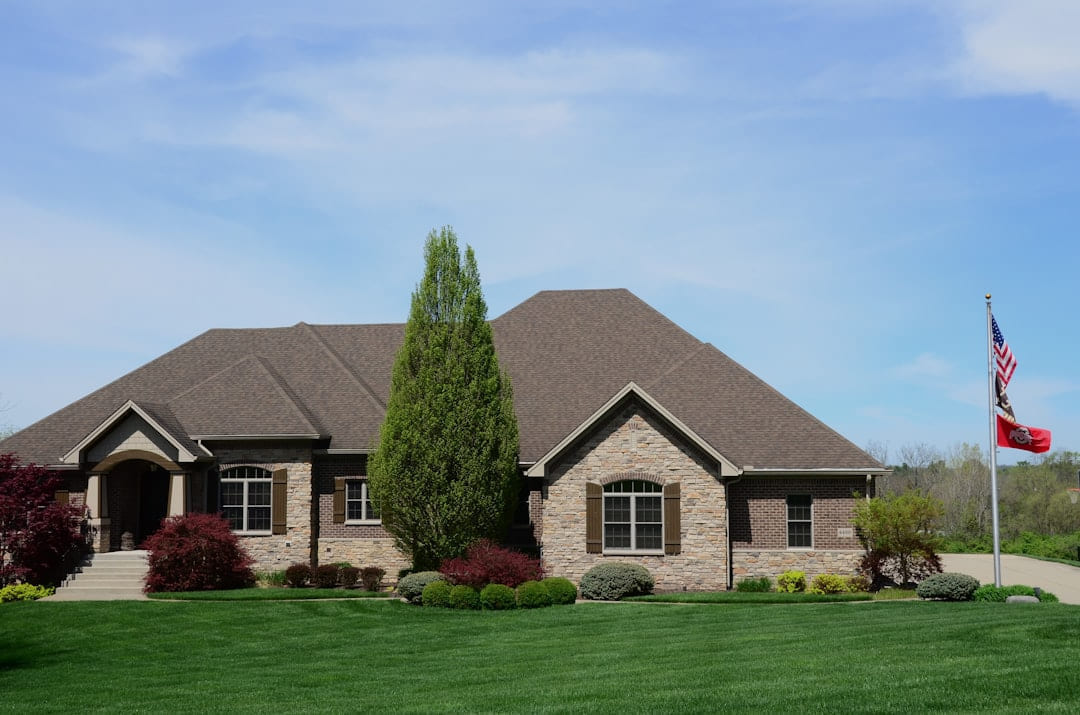
Home Inspection Red Flags: What to Watch For
is easier to make sense of when you break it down into the part that matters most first. Instead of chasing every option at once, it usually helps to focus on what.
Closing Costs: What You Really Need to Know
Buying a home. Just the thought can send a shiver of excitement - and a healthy dose of anxiety - down your spine. You’ve spent months researching neighborhoods.
Down Payment Dreams: Creative Ideas
deserves a little more room than a quick summary because most readers are trying to make a real decision, not just skim a few surface-level t...