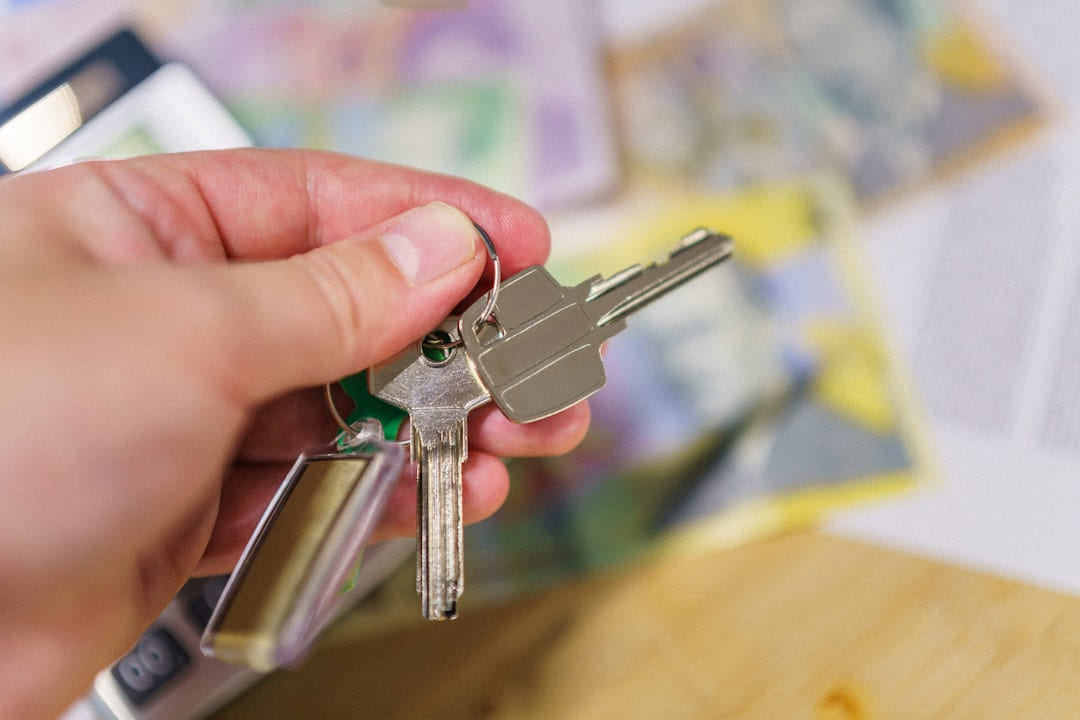
First-Time Homebuyer: Your Checklist Starts Here: A home purchase usually feels clearer once you narrow the decision to the costs, risks, and features that will actually affect daily life.
Check Your Credit Score
Know where you stand. Choose the version that gives you the visual win without expanding the project unnecessarily.
Determine Your Budget
Be realistic about what you can afford. A manageable upgrade usually beats a perfect plan that never gets finished.
Get Pre-Approved
This shows sellers you’re a serious buyer. The best result here is the one that improves the room and stays within your comfort level.
Find a Real Estate Agent
A good agent can be invaluable. Choose the version that gives you the visual win without expanding the project unnecessarily.
Start Your Home Search
Explore different neighborhoods and properties. A manageable upgrade usually beats a perfect plan that never gets finished.
What To Do Next
Use the ideas above to choose one clear next move, test it in your own situation, and keep refining from there. That approach tends to produce better long-term decisions than trying to solve everything at once.
Phase 3: Due Diligence - Protecting Your Investment
Beyond the Checklist: Important Considerations
* Down Payment: Saving for a down payment is often the biggest hurdle for first-time homebuyers. Explore down payment assistance programs offered by state and local governments. Even a smaller down payment (as low as 3% in some cases) can make homeownership more accessible.
* Closing Costs: Don’t forget about closing costs, which can include appraisal fees, title insurance, and recording fees. These costs typically range from 2% to 5% of the loan amount.
* Long-Term Financial Planning: Homeownership is a long-term commitment. Factor in ongoing maintenance costs and plan for future expenses like renovations and potential repairs.
* Understand Different Mortgage Types: Fixed-rate mortgages, adjustable-rate mortgages, FHA loans, and VA loans - each has its own set of advantages and disadvantages. Research your options and choose the loan that best suits your needs and financial situation.
Buying a home is a significant investment, and it's important to approach it with careful planning and a realistic understanding of the process. Don’t be afraid to ask questions, seek professional advice, and take your time to find the right home for you and your family. As a Senior Mortgage Analyst, I’ve seen countless families achieve their dream of homeownership, and with the right preparation, you can too.
If you have any specific questions or concerns, don’t hesitate to reach out. I’m here to help.
Start with what you will actually use
With First-Time Homebuyer: Your Checklist Starts Here, the first question is usually not which option looks best on paper. It is which part will make day-to-day life easier, smoother, or cheaper once the novelty wears off.
A lot of options sound great until you picture them in a normal week. If the setup is fussy, the routine is easy to forget, or the maintenance is annoying, the appeal fades quickly.
There is also value in keeping one part of the process deliberately simple. Readers often do better when they identify the one decision that carries the most weight and make that choice carefully before they chase smaller optimizations. That keeps momentum steady and usually prevents the topic from turning into clutter.
What tends to get overlooked
Tradeoffs are normal here. Cost, convenience, upkeep, and flexibility do not always line up neatly, so it helps to decide which tradeoff matters least to you before you commit.
This usually gets easier once you make a short list of priorities. A tighter list tends to produce better decisions than trying to solve every possible problem at once.
Another useful filter is asking what you would still recommend if the budget got tighter, the schedule got busier, or the setup had to be easier for someone else to manage. The answers to that question usually reveal which advice is durable and which advice only works under ideal conditions.
How to keep the setup simple
If you want First-Time Homebuyer: Your Checklist Starts Here to hold up over time, choose the version you can actually maintain. That can mean spending less, leaving out an attractive extra, or simplifying the setup so it fits ordinary life.
The version that holds up best is usually the one you can live with on an ordinary day. That often matters more than the version that only feels good when you have extra time, energy, or money.
That is why the best next step is often a modest one with a clear upside. You want something specific enough to act on, flexible enough to adjust, and practical enough that you would still recommend it after the first burst of enthusiasm fades.
Costs that show up later
You do not need the flashiest answer here. You need the one that fits your space, budget, and routine well enough that you will still feel good about it after the first week.
In a topic like Mortgage and home buying, manageable almost always beats impressive. If something is simple enough to keep using, it is usually doing more real work for you.
Readers usually get better results when they treat advice as something to test and refine, not something to obey perfectly. That mindset creates room for real judgment, which is often the difference between content that sounds smart and guidance that is actually useful.
What is worth skipping
It is easy to underestimate how much clarity comes from removing one unnecessary layer. In practice, trimming one complication often does more for First-Time Homebuyer: Your Checklist Starts Here than adding one more feature, one more product, or one more clever workaround.
The options that age well are usually the ones that are easy to repeat. Reliability and low hassle often matter more than the most impressive-looking feature list.
When you are deciding what to do next, aim for the option that reduces friction and gives you a clearer read on what matters most. That is usually how First-Time Homebuyer: Your Checklist Starts Here becomes more useful instead of more complicated.
A realistic next step
If this topic still feels crowded or overcomplicated, that is usually a sign to narrow the decision, not a sign that you need more noise. One careful adjustment, followed by honest observation, tends to teach more than another round of abstract tips.
A grounded next step is usually better than a dramatic one. Pick one realistic change, see how it works in normal life, and let that result guide the next decision.
Leave a little room to adjust as you go. A setup that works in one budget range, season, or routine might need a small change later, and that is usually normal rather than a sign you got it wrong.
Keep This Practical
Buying well is less about moving fast and more about removing uncertainty step by step. Choose the next action that makes the process clearer, cheaper, or less risky before you add another variable.