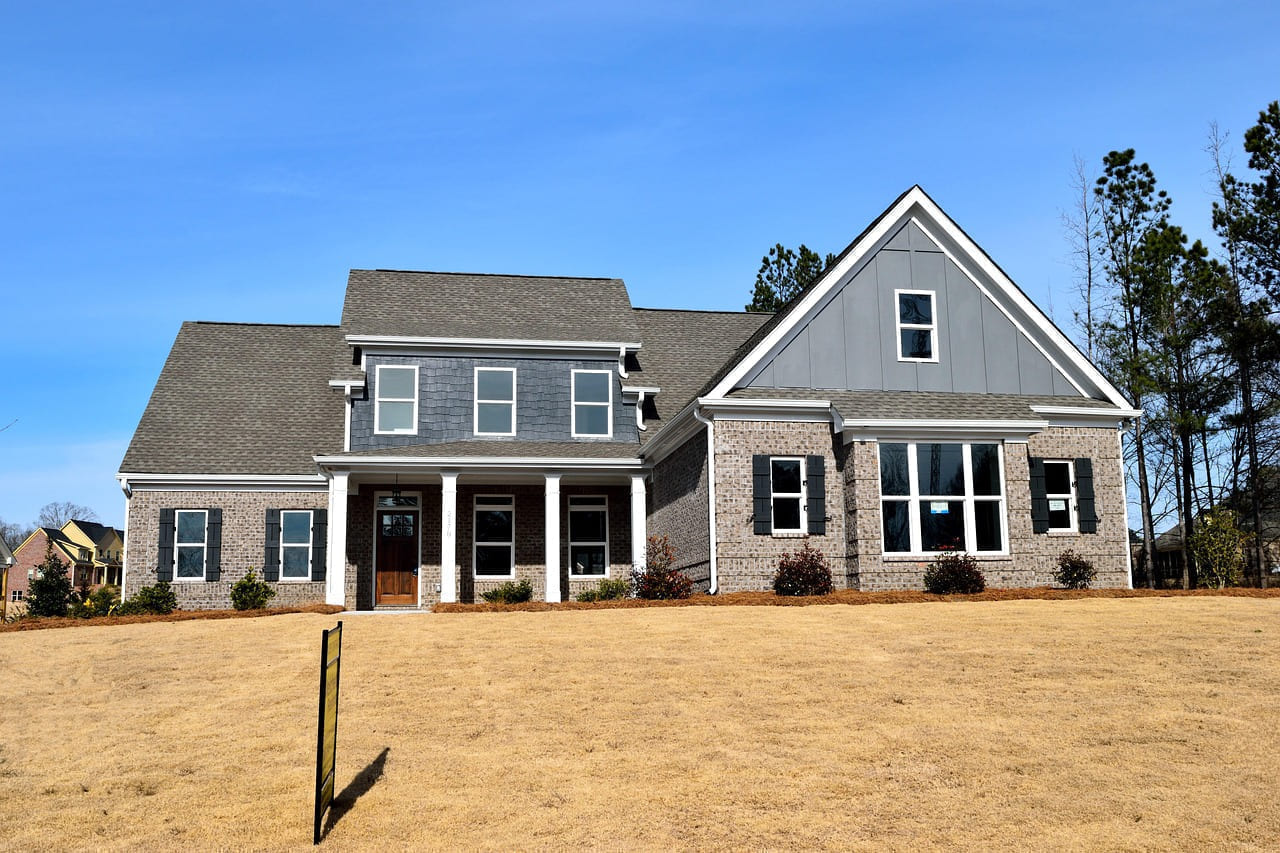
15 vs. 30: Mortgage can be easier to approach when you start with a few practical basics.
15 Year vs. 30 Year Mortgage Mistakes to Avoid
15 vs. 30: Mortgage can be easier to approach when you start with a few practical basics.
Buying a home - seriously, it’s a huge deal. It’s one of those big decisions that most people spend a lot of time thinking about. And as you wade through earnest money, inspections, and a mountain of paperwork, it’s completely normal to feel a little overwhelmed. One of the first big questions that pops up is: should you go with a 15-year mortgage or a 30-year loan? It’s a debate that’s been going on for ages, and honestly, it’s not as simple as saying one is always better. In 2026, with interest rates shifting and the housing market still adjusting, it’s more important than ever to make an informed choice. Let’s break down the key differences, highlight some common mistakes, and help you make a decision that feels right for your long-term goals.
Understanding the Initial Difference (15 vs. 30: Mortgage)
Let’s start with the basics. A 30-year mortgage is what most people picture when they think of a home loan - it’s the classic. A 15-year mortgage, on the other hand, is a shorter-term commitment. Right off the bat, you’ll notice a big difference: your monthly payments are typically lower with a 30-year loan. For example, let’s say you’re buying a $350,000 house and get a 7% interest rate. On a 30-year loan, your monthly payment might be around $2,338. Now, with a 15-year loan, that same payment jumps to approximately $3,243. That’s almost $900 a month! It’s tempting to gravitate towards that lower initial payment, especially if you’re just starting out. But here’s the thing: while the 30-year loan feels easier on your wallet in the short term, you’re paying a lot more in interest over the life of the loan. As of April 2026, we’re seeing average interest rates hovering around 6.75% for both 15-year and 30-year mortgages, though those rates can certainly change. That extra interest adds up - tens or even hundreds of thousands of dollars over 30 years - a significant investment that impacts your overall finances.
Mistake #1: Focusing Solely on Monthly Payment
This is the biggest trap, and it’s something a lot of first-time homebuyers fall into. Many people are so focused on keeping their monthly payments as low as possible that they don’t really consider the long-term effects. It’s like picking the shortest route on a map without checking for traffic - you might get there faster, but you could end up stuck in a major delay. Let’s look at this with an example. Let’s say you’re comfortable with a $2,000 monthly payment. You find a house you love and snag a 30-year loan. Over 30 years, you’ll pay roughly $550,000 in interest. Now, imagine you opted for a 15-year loan with the same $2,000 monthly payment. You’d pay significantly less interest - around $275,000. That’s a difference of $275,000! That’s a huge chunk of change that could be going towards your retirement, a down payment on a second property, or simply building a more secure financial future. The 15-year loan isn’t just about a higher monthly payment; it’s about dramatically reducing the total cost of your home.
Mistake #2 & #3: Ignoring Future Financial Goals & Rate Fluctuations
Let’s be honest, life doesn’t always go according to plan. Thinking about a 15-year mortgage without considering your broader financial goals is like sailing a ship without a compass. Are you saving for retirement? Do you envision needing to renovate your kitchen in a few years? Are you planning on having kids and potentially needing to cover childcare costs? These are all significant expenses that could impact your ability to comfortably afford a higher monthly payment. Another thing to keep in mind is that interest rates can shift. While rates are relatively stable right now in 2026, they’re not guaranteed to stay that way. A shorter-term mortgage offers more protection against rising rates. If rates go up, you’re locked into a lower rate for 15 years, while someone with a 30-year loan would be subject to the higher rates. It’s not about predicting the future, but acknowledging that uncertainty and choosing a strategy that’s a little more flexible.
Mistake #4: Underestimating Property Value Appreciation
This one often gets overlooked, but it’s a really important piece of the puzzle. A 15-year mortgage allows you to build equity much faster than a 30-year mortgage. Equity is basically the portion of your home you own outright. With a shorter loan term, you’re paying down the principal faster, which means you’re building equity at a more accelerated pace. Let’s say you buy a home for $400,000 with a 15-year mortgage. Over the next five years, the property appreciates by 10%. Your equity grows significantly faster than if you were paying down a 30-year loan. This increased equity gives you more freedom when you eventually decide to sell - you’ll have a larger profit to show for it. It also opens up opportunities for future investments or financial goals.
Affordability and Choosing the Right Fit
Now, let’s be clear: affordability is the most important thing. Don’t let the idea of a lower monthly payment distract you from what you can truly handle. You need to realistically assess your income, your expenses, and your savings to determine what you can comfortably afford. A mortgage calculator is your best friend here - use it to model different scenarios and see how various loan terms impact your monthly payments and the total interest you’ll pay. in practice, the “right” mortgage term is the one that fits your financial goals, your comfort level with risk, and your vision for the future. A 15-year mortgage typically offers lower interest rates and faster equity building, while a 30-year mortgage provides lower initial payments. There’s no one-size-fits-all answer.
Conclusion
Choosing between a 15-year and 30-year mortgage is a big decision, and it’s easy to get caught up in the details. The key takeaway is to avoid focusing solely on the immediate monthly payment. Consider the long-term implications, your future financial goals, and the potential for interest rate changes. By understanding the differences and avoiding these common mistakes, you can make a confident choice that sets you up for financial success. To help you assess your individual situation, I encourage you to use online mortgage calculators and talk to a qualified financial advisor. Remember, buying a home is a marathon, not a sprint. Take your time, do your research, and choose the mortgage that’s right for you.
Keep This Practical
Home-buying decisions get easier when you narrow the next question before worrying about the whole process. Focus on the loan, budget, or property factor that will affect your options most right now.
Tools Worth A Look
If you are moving from research to a real housing decision, the products below are the closest practical follow-up.
- Get the Mortgage You Want Like the Pros: A Guide for Homebuyers (Repair Your Credit Like the Pros)Essential Estate Planning for Beginners: Protect Assets by Avoiding Probate, Reduce Taxes and Minimize Expenses, Ease the Legal Burden for Loved OnesBuy A Home Without A Bank: The Proven Method to Buy Property With Bad Credit, No Credit, or No Bank ApprovalThe Complete Guide to Owner-Financed Mortgages: Turning Mortgage Notes into CashThe No Money Down First-Time Home Buyer Secrets: The Complete Guide to FHA Loan Hacks, State Grants & Seller Credits for $0 Out-of-Pocket
Some of the links on this page are Amazon affiliate links, which means I may earn a small commission if you make a purchase through them. As an Amazon Associate, I earn from qualifying purchases.
Related ReadingMore from The Smart Home Buyer

15 vs. 30: Mortgage Choices Explained
is easier to make sense of when you break it down into the part that matters most first. Instead of chasing every option at once, it usually helps to focus on what.
15 vs. 30 Year Mortgages: What’s the Difference?
15 Year vs. 30 Year Mortgage FAQ: Which Is Right for You? Buying a home is a monumental step, and one of the biggest financial decisions you’ll make. Beyond.

15 vs. 30: A Mortgage Checklist
I’ve been doing this long enough to hear the same questions come through my door, again and again. “Should I go with a 15-year mortgage or a 30-year mortgage?.